The hidden discipline of B2B brand work
In most B2B categories, brand has a credibility problem. The buyer is technical, the purchase is rational, the decision committee is large, and procurement is built to filter for features and price. Brand sounds like decoration. The reality, supported by a decade of effectiveness research, shows the opposite. In categories where the buyer doesn’t think they care about brand, brand often does more of the commercial work than anywhere else.
-
What B2B brand work actually rests on
The logic is simple. B2B buyers purchase infrequently, sometimes once every three to five years. The brand has to be present in memory the moment a tender opens or a problem becomes acute. The purchase is higher-stakes than B2C, so trust is the substrate everything else rests on. And distinctive assets work harder here because the buyer encounters the brand across analyst reports, vendor lists, conferences, and procurement decks, not only in marketing. The companies that win the considered set are the ones whose brand has done the persuasion before the sales process even begins.
-
What good B2B brand work actually requires
The most expensive mistake B2B companies make is treating brand as something they will do later, when growth allows. In categories where the buyer doesn't think they care about brand, the brand has to do its work quietly, in the spaces between marketing and the sale. It shapes the considered set before the buyer ever opens the brief. It shortens the sales cycle once the conversation begins. And during procurement, it defends pricing that pure feature comparison would erode. Done well, B2B brand work is the most invisible and the most commercially decisive form of brand investment there is.
-
Showcase: Didomi
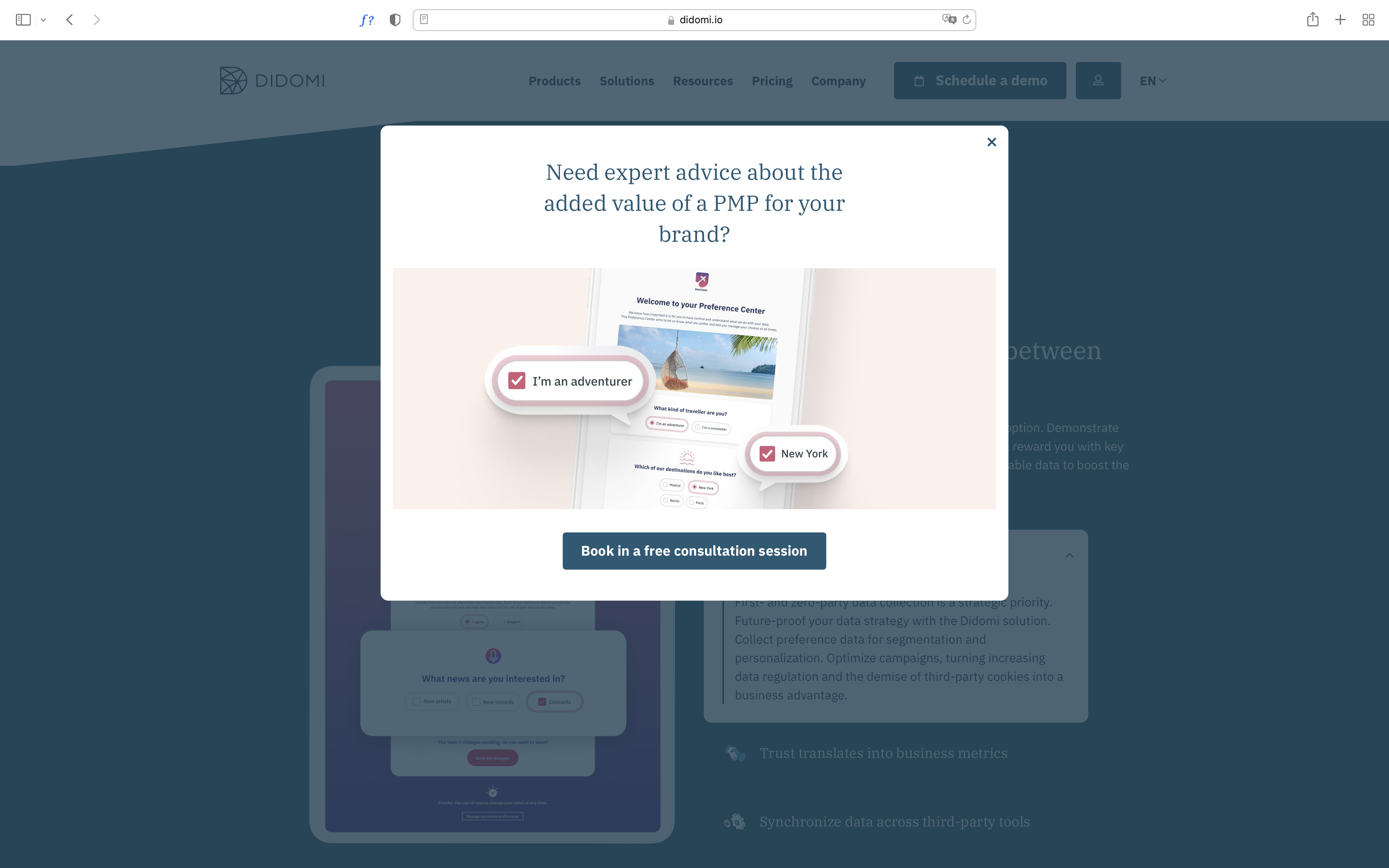
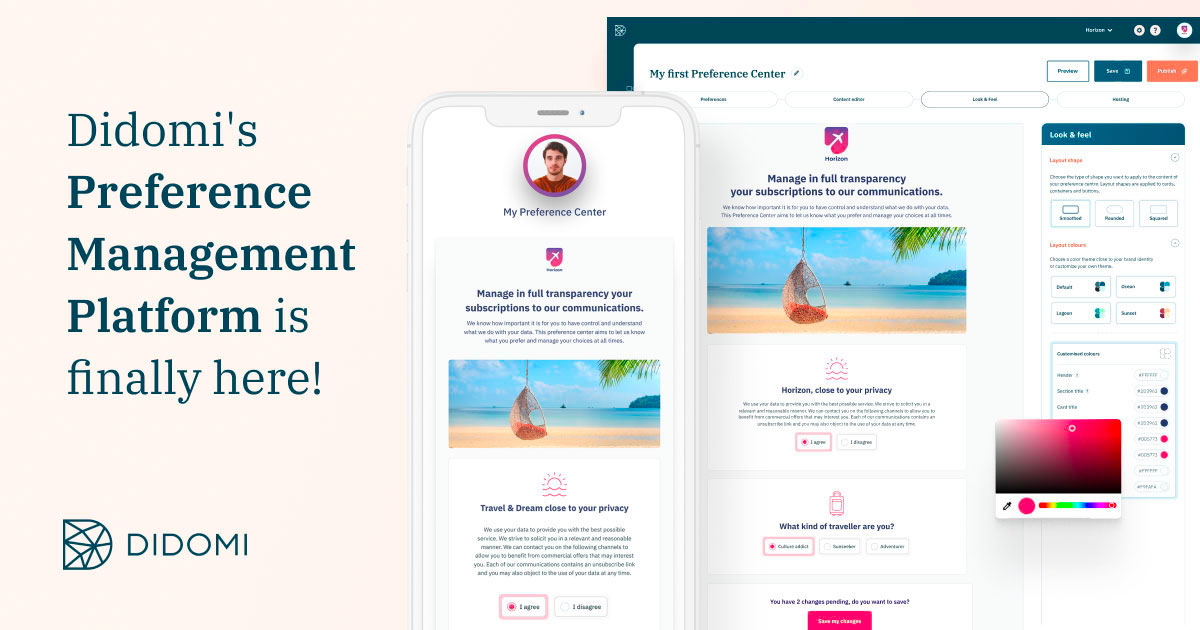
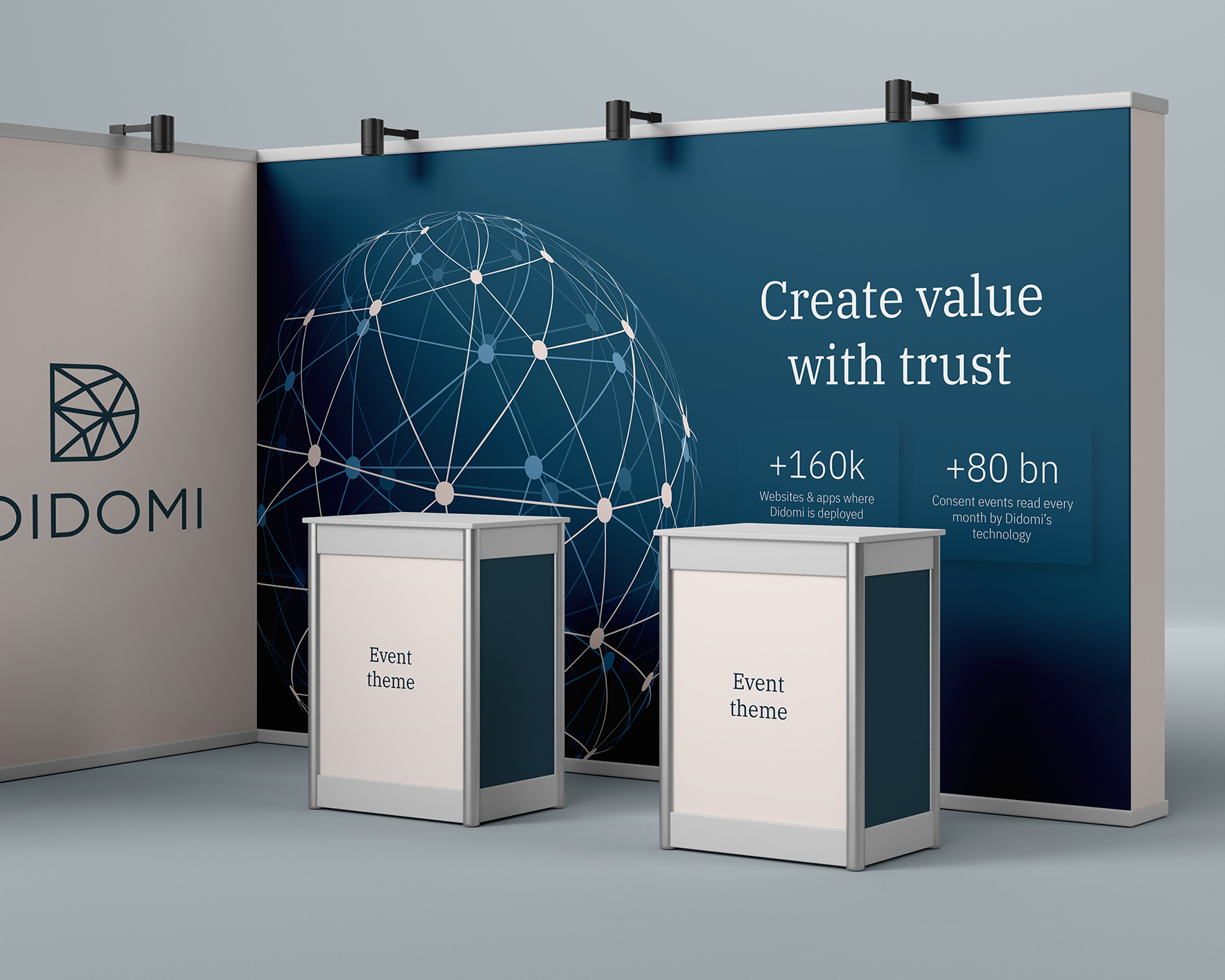
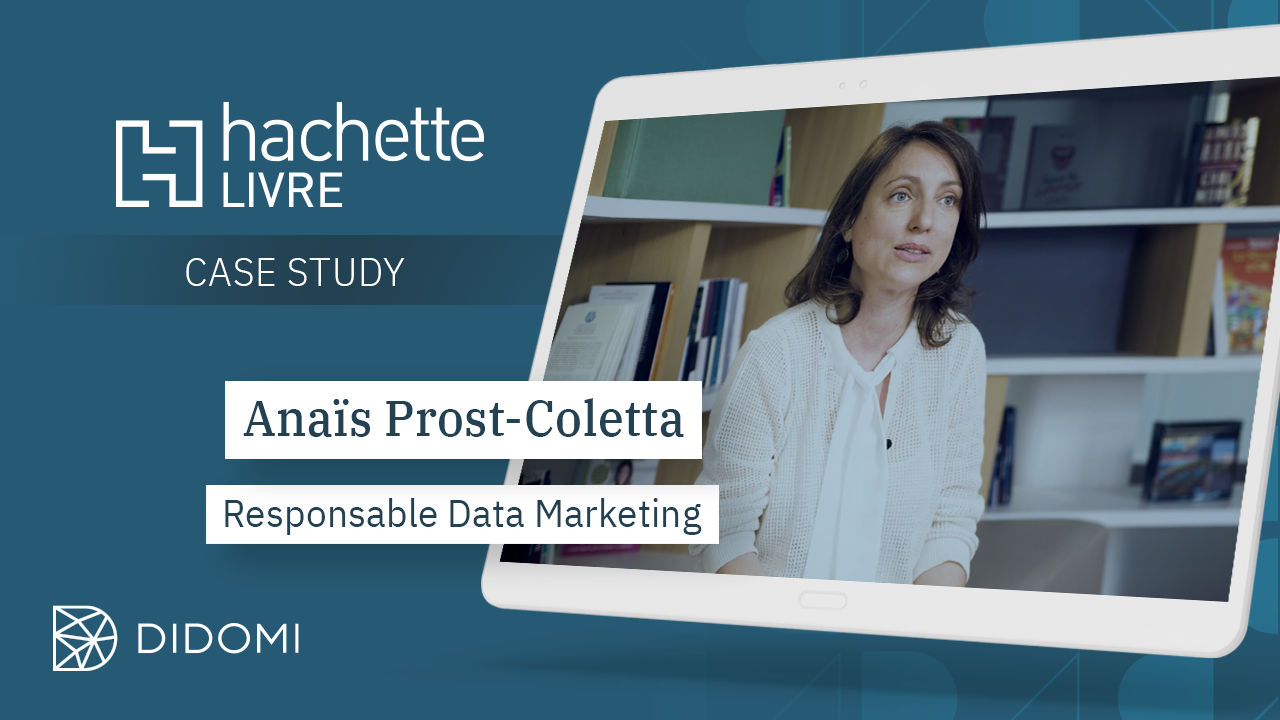
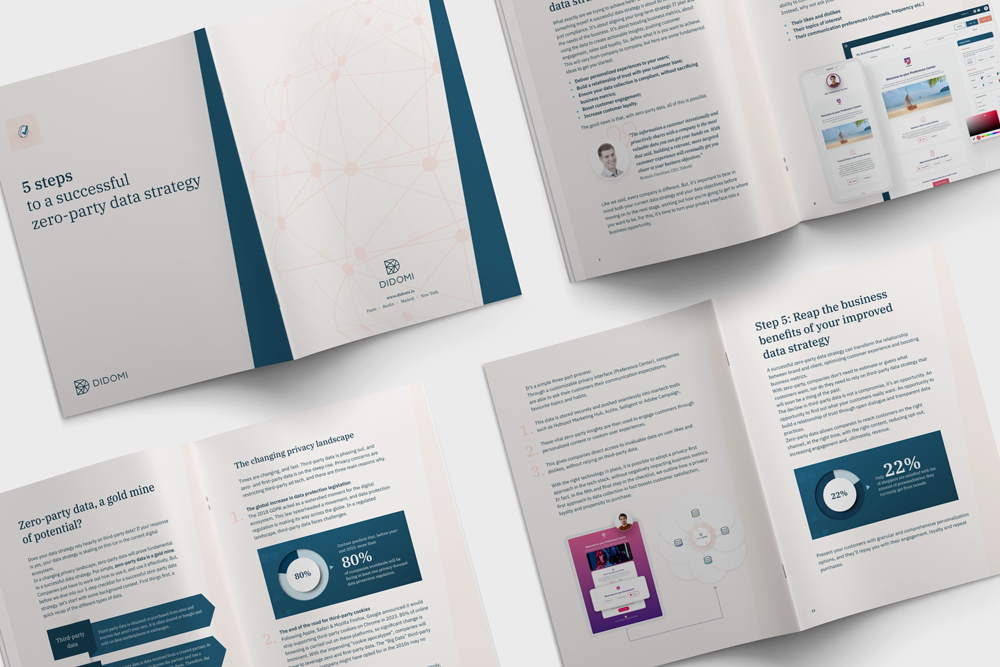
Didomi operates in privacy and consent management, a category created by regulation and dominated by compliance-driven buyers. The category is structurally invisible. A successful consent platform disappears into the user experience, and a successful brand disappears into the technical stack. The brand work had to do something specific: make the invisible credible, the technical understandable, and the compliance-driven choice feel strategic rather than defensive. I defined the brand positioning, designed the visual identity system, and directed creative execution across the corporate website, product launch campaigns, conference presence, and sales collateral. The identity needed to work in a procurement deck, on an analyst slide, in a YouTube case study, and on a conference stand without losing coherence. I wrote the brand narrative, art-directed the product videos, and designed the landing pages and white papers that carried the positioning into demand generation.
-
Showcase: Smart Flows
Smart Flows works in airport passenger flow analytics, serving airports including Paris, Munich, Geneva, Hong Kong, Seattle, and Riyadh. The buyer is an airport operations director evaluating technology-agnostic infrastructure on the basis of integration, deployment speed, and security posture. The category has almost no brand-led incumbents. The brand work became the discovery layer, the credibility layer, and the differentiation layer at once. I built the brand from scratch: positioning, visual identity, international sales materials, and presentation system. The challenge was translating a complex analytics product into a brand that could open doors before the sales team arrived. The visual system had to hold across languages, airport contexts, and technical audiences without simplifying the product into something it was not. What these two brands taught me is that the deeper the buyer's conviction that they don't care about brand, the more decisive the brand work becomes. Buyers in these categories make decisions through a series of small signals over long sales cycles. The brand that arrives at the procurement meeting having already shaped how the buyer thinks about the category does not need to argue for itself. The brand that hasn't done that work spends the whole sales cycle catching up.