The discipline of building brands that compound across markets
International brands face a particular tension. Local markets demand short-term activation results, often measured in weeks or quarters. Global brand equity is built over years, sometimes decades. The temptation, especially under pressure from local commercial teams and finance, is to over-invest in activation and under-invest in brand-building. The evidence is overwhelming that this is the wrong call. The strongest international brands are the ones that hold the discipline of long-term brand investment, even when short-term pressures push the other way.
-
What long-term international brand building actually rests on
Five conditions, well-evidenced by decades of brand effectiveness research, particularly Les Binet and Peter Field's body of work for the IPA: 1. Mental availability across markets. The brand needs to be top-of-mind at the moment of category-entry, wherever it operates. Local activation builds short-term sales, but it does not build the consistent mental presence that drives long-term preference. 2. Distinctive brand assets that travel. Visual codes, sound logos, packaging cues, taglines, characters: the assets that consumers recognise without thinking. These compound across markets when consistent and erode when fragmented. 3. Consistent strategic platform across geographies. Local execution can flex, but the underlying brand promise has to hold. Brands that allow each market to redefine the promise eventually lose distinctiveness. 4. Investment ratio between brand and activation. Binet and Field's evidence puts the long-term optimal split around 60 per cent brand-building and 40 per cent activation. International brands routinely under-invest in brand and over-invest in activation, especially in markets under quarterly pressure. 5. Time horizon discipline. Brand investment shows results over years, not quarters. Holding the line on brand budget through difficult periods is one of the harder disciplines in international marketing leadership.
-
What the discipline looks like in operation
Five practices that the strongest international brands hold consistently: 1. Hold the brand budget across the calendar. investment should not be the first thing cut when activation needs more. The 60/40 split is the long-term default, not a luxury for good quarters. 2. Localise execution, centralise strategy. Each market can flex creative execution, but the brand promise, distinctive assets, and category positioning stay consistent. 3. Build for category entry points, not just for the funnel. Activation chases existing intent. Brand-building creates the mental availability that becomes future intent. 4. Measure brand outcomes on brand timescales. tracking, mental availability, distinctive asset recognition: these are the metrics. Quarterly sales response is not a brand metric. 5. Invest in the assets that travel. Sound, colour, packaging cues, characters, taglines: these compound across markets when consistent. They are also the cheapest form of long-term marketing once established.
-
Last but not least…
Be your brand, everywhere you go. In order for other people to buy into your brand image, you must be your brand everywhere you go. It’s important that your brand image is consistent across all channels. Whether that’s your social media icon, your email marketing style, or your website design, all channels should fall under your guidelines. Share your branding, create associations, boost recognition and bring your brand identity to life.
-
What good long-term international brand work actually requires
The strongest international brands did not get strong by chasing each quarter's number. They got strong by holding the discipline of long-term brand investment for decades, while running activation alongside. The brands that lose ground internationally are usually the ones that traded long-term equity for short-term commercial results, one decision at a time. The discipline is not glamorous. It is, however, the only one that compounds.
-
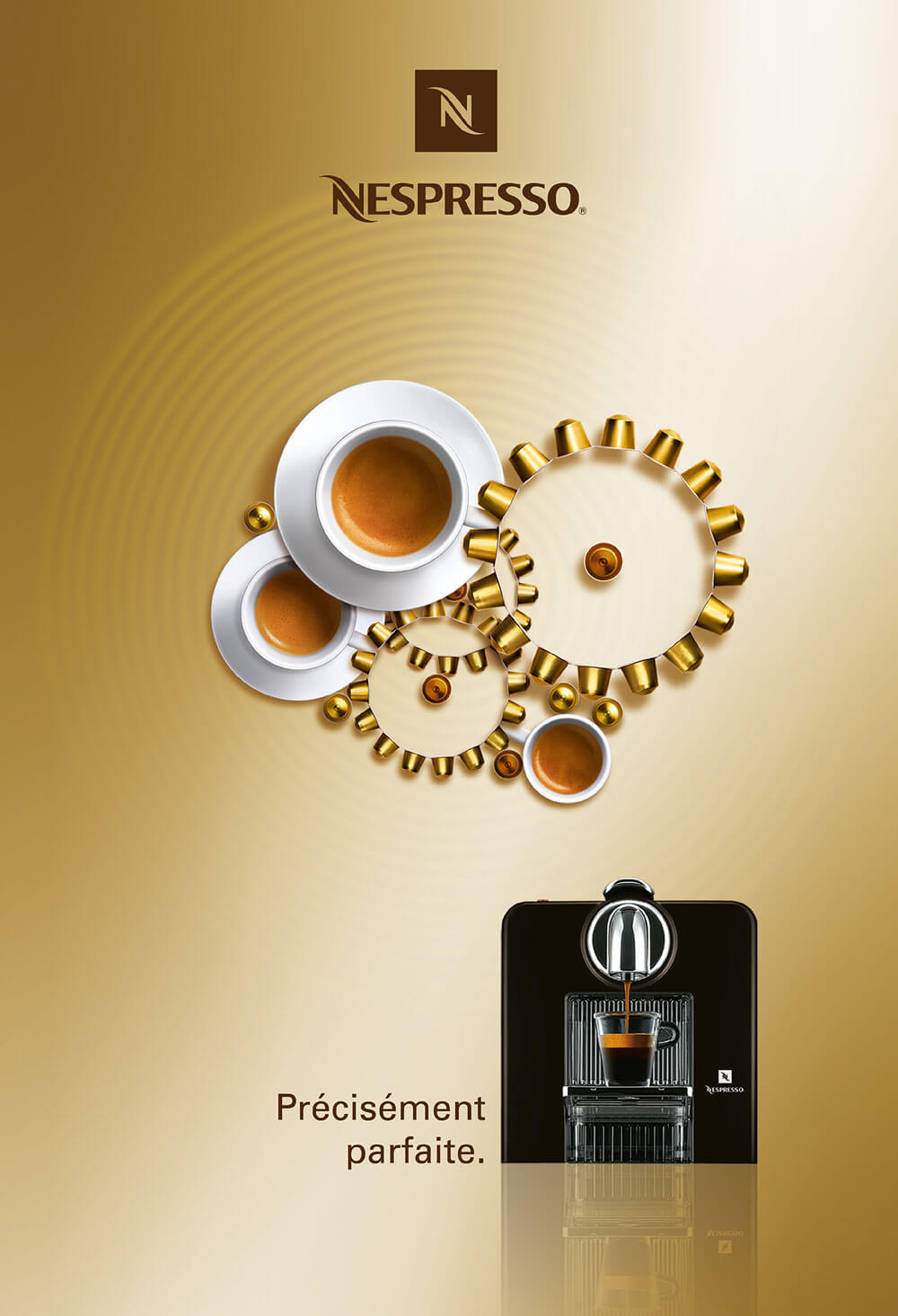
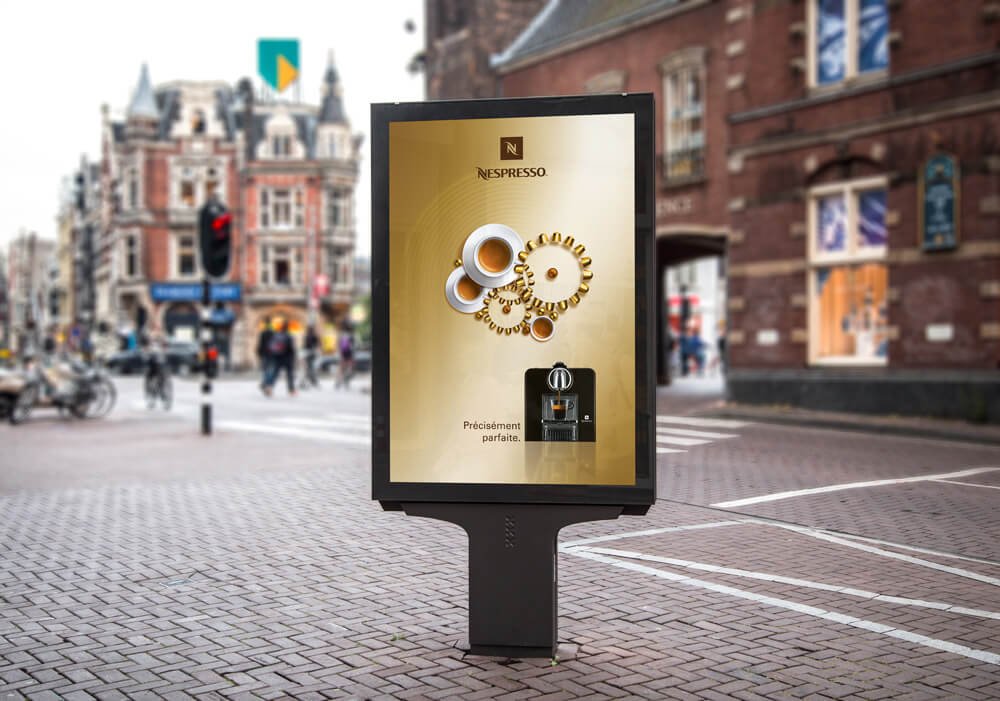
Showcase: Nespresso Precisely Perfect Campaign
Nespresso is one of the cleanest international examples of long-term brand building, and it carries a strategic anomaly worth pausing on: a premium brand that does not rely on scarcity. Nespresso machines are sold globally, at accessible price points, in volumes that should structurally undermine premium positioning. Yet Nespresso has maintained premium status across more than 80 markets for over two decades. The answer is consistent, decades-long investment in the brand-building side of the long-and-short equation. The Nespresso playbook holds several elements that compound across markets when applied consistently: A boutique experience that delivers the same premium feel in Tokyo, Paris, or São Paulo George Clooney as a long-term distinctive asset (the cost of changing celebrity ambassadors regularly is precisely the equity you sacrifice) Visual identity disciplined across every market, from packaging colour codes to typography The Club model, which makes the customer relationship feel exclusive even when access is wide Communication of consistent values, particularly craft, perfectionism, and sustainability, rather than tactical product messaging A note on perspective. My Nespresso work was at McCann, on international communication. The strategic architecture of the brand belongs to Nespresso's internal team. What working inside that ecosystem taught me was the discipline required to hold a long-term brand position consistently across markets, even when local commercial teams pushed for activation-led shortcuts. That discipline is what the long-and-short framework describes in evidence. Nespresso is what it looks like in practice.